Hotshot Trucking: What It Is and How to Start
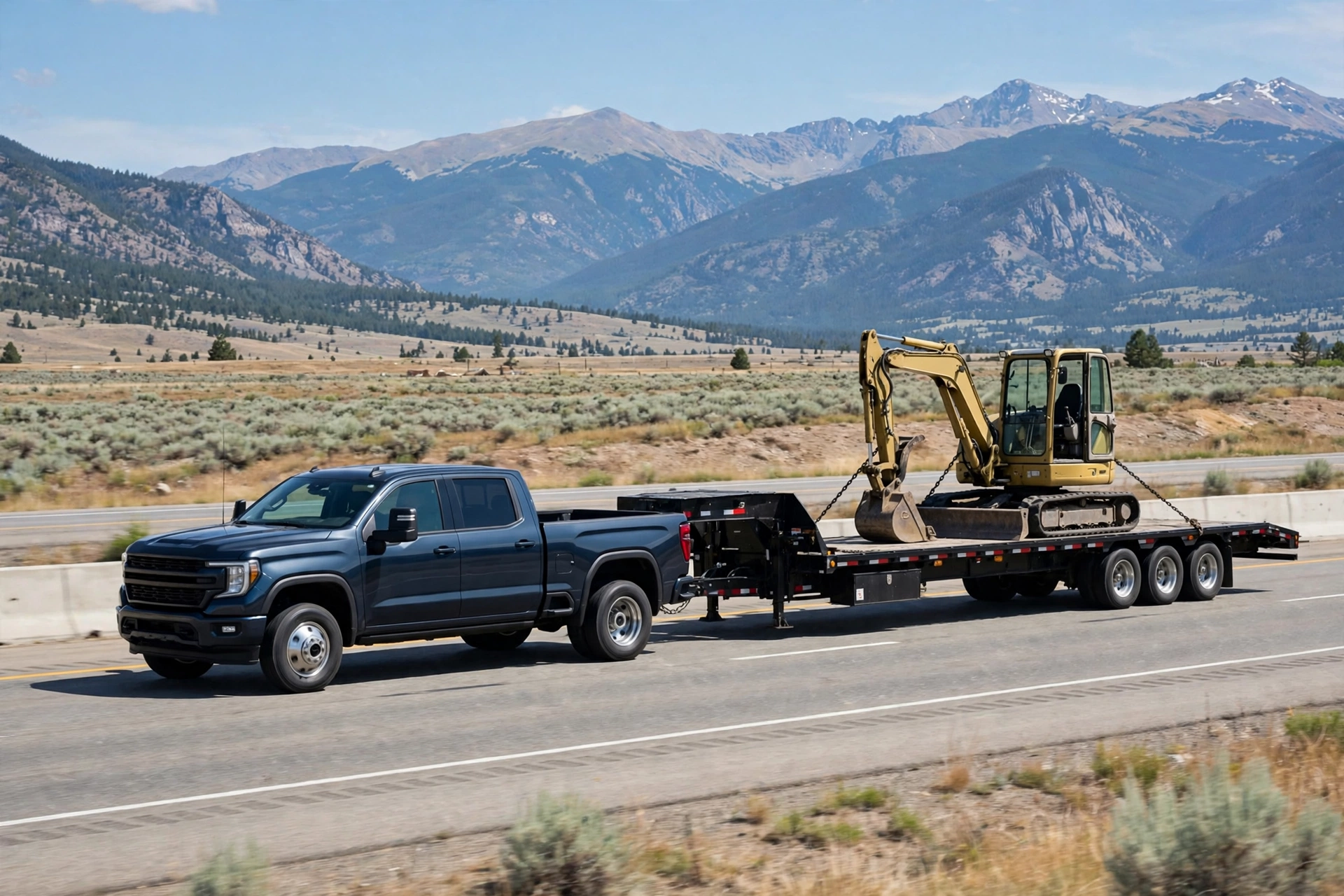
Hotshot trucking is a freight hauling model that uses a medium-duty pickup and a flatbed or gooseneck trailer to move time-sensitive, smaller loads, often for a single customer.
Some drivers haul for a carrier, while others own their trucks and run as owner-operators. Either way, one number matters most. The rig’s combined weight rating decides which license you’ll need, and it also sets the filings and federal rules that apply to the operation.
Key Takeaways
- Hotshot trucking moves urgent, smaller freight with a Class 3 to Class 5 pickup or chassis-cab truck towing a flatbed or gooseneck trailer.
- Interstate hotshot rigs with a gross combination weight rating (GCWR) of 10,001 lb (4,536 kg) or more need a U.S. Department of Transportation (USDOT) number, and their drivers need a DOT medical card.
- A Class A commercial driver’s license (CDL) is required once GCWR reaches 26,001 lb (11,794 kg) and the trailer is rated over 10,000 lb (4,536 kg).
- Owner-operators who haul for hire across state lines need Motor Carrier (MC) operating authority from the Federal Motor Carrier Safety Administration (FMCSA), a BOC-3 filing, insurance on file and annual Unified Carrier Registration (UCR).
- Hotshot pay comes from load rates, per-mile wages or a percentage commission. No verified national earnings figure is available.
What Is Hotshot Trucking?
Hotshot trucking is a segment of expedited freight that uses a heavy-duty pickup and trailer to haul smaller, urgent loads straight from shipper to receiver. A hotshot load usually rides on one truck from pickup to delivery. No terminal stops. That’s the key break from less-than-truckload (LTL) carriers, which sort and transfer shipments at regional terminals scattered along the whole route.
Shippers call a hotshot carrier when a delivery can’t wait for a full truckload or a consolidated LTL shipment. Urgency drives the booking. A broken part on a drilling rig is a classic case, and a skid steer needed on a jobsite the next morning fits the same mold. So does a replacement pump for a farm irrigation system.
Most hotshot trucking runs on open-deck trailers, so crews load freight from the side or rear with a forklift or crane. Ramps work too. That open layout suits equipment, steel, pipe and building materials far better than it suits enclosed freight.
Cost pulls drivers in, too. Hotshot equipment runs cheaper than a semi setup, since a one-ton pickup and a gooseneck trailer stand in for a Class 8 tractor and a 53 ft (16.2 m) trailer. For first-time owner-operators, that gap makes the work a realistic entry point.
What Does Hotshotting Mean?
Hotshotting means hauling urgent freight on short notice with a pickup and trailer. The word works as a verb. Drivers say they’re hotshotting when they run hotshot loads, and searching “what is hotshotting trucking” or “what is hotshot trucking” returns the same answer, since both phrases describe the same work.
Most accounts tie the hotshotting meaning to the Texas oilfields, where crews needed parts delivered fast to keep drilling rigs running. The proof is thin, though. No verified primary source documents the word’s exact origin, so treat the oilfield story as industry tradition.
Hotshot Trucking vs Semi Trucking
Hotshot trucking wins on equipment cost and flexibility, while semi trucking takes the edge on load size and revenue per load. The table below compares both.
| Factor | Hotshot Trucking | Semi Trucking |
|---|---|---|
| Power Unit | Class 3 to Class 5 pickup or chassis cab | Class 8 tractor |
| Trailer | Flatbed or gooseneck, often 40 ft (12.2 m) | 48 to 53 ft van, reefer or flatbed |
| Weight Limit | Set by truck and trailer ratings | 80,000 lb (36,287 kg) federal gross limit |
| CDL | Not needed at 26,000 lb GCWR or less | Class A required |
| Typical Freight | Urgent, partial, single-customer loads | Full truckloads and LTL |
| Equipment Cost | Lower | Higher |
What Is a Hotshot Truck?
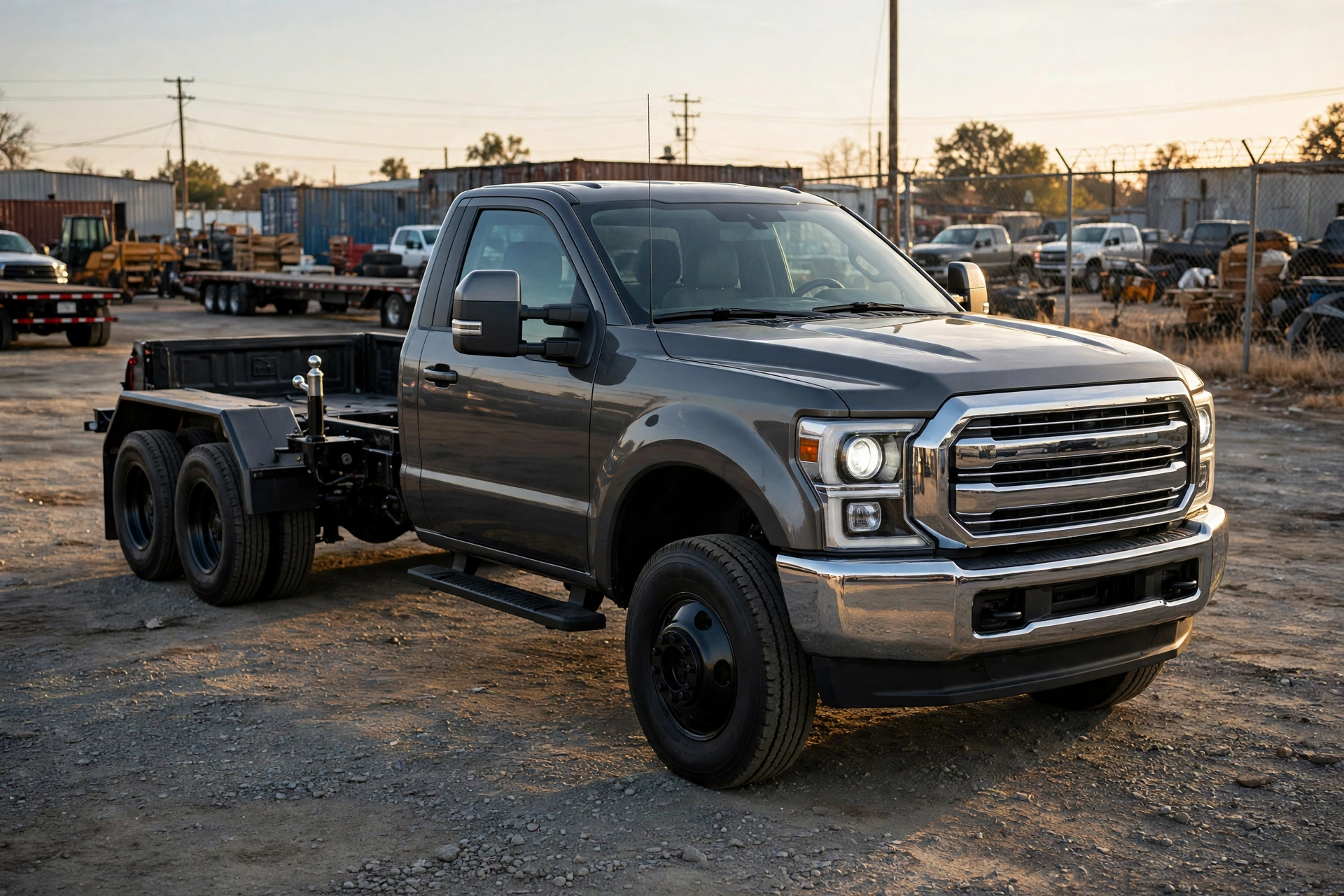
A hotshot truck is a Class 3, 4 or 5 pickup or chassis-cab truck, usually a one-ton dually, that tows a flatbed or gooseneck trailer loaded with freight. The truck’s gross vehicle weight rating (GVWR) and its GCWR set the legal load limit, so the manufacturer’s ratings matter more than horsepower. Specs beat muscle here.
Some listings split it into two words, hot shot truck. Same equipment. The table below compares the vehicle weight classes hotshot trucks fall into under the Federal Highway Administration (FHWA) classification system.
| Weight Class | GVWR (lb / kg) | Example Trucks |
|---|---|---|
| Class 3 | 10,001–14,000 / 4,536–6,350 | Ford F-350, Ram 3500, Silverado 3500HD |
| Class 4 | 14,001–16,000 / 6,351–7,257 | Ram 4500 chassis cab |
| Class 5 | 16,001–19,500 / 7,258–8,845 | Ford F-550, Ram 5500 chassis cab |
Ratings shift with model year, engine, axle ratio and cab configuration, so two trucks with the same badge can carry different limits. Don’t guess. Confirm the GVWR and GCWR on the manufacturer’s spec sheet for the exact truck before you buy it.
Popular Hotshot Trucks
For Class 3 setups, popular hotshot trucks include the Ford F-350, Ram 3500, Chevrolet Silverado 3500HD and GMC Sierra 3500HD. Need more? Owner-operators chasing a higher GCWR can step up to chassis-cab models such as the Ford F-450 or F-550 and the Ram 4500 or 5500.
Yes, a dually matters for gooseneck towing. It has dual rear wheels. Those four rear tires spread a gooseneck trailer’s pin weight and add tire load capacity. They also steady the rig in gusty crosswinds, which is exactly why a dually is the safer pick for heavy loads.
Engine choice matters too. Diesel engines suit hotshot work because they deliver the low-end torque needed to pull heavy trailers up long grades, such as the mountain passes on Interstate 70 in Colorado.
Hotshot Trailer Types
Hitch style drives most of the choice. The table below compares the most common hotshot trailer types by hitch style and by the freight each one handles best.
| Trailer Type | Hitch | Best For |
|---|---|---|
| Gooseneck flatbed | Ball mounted in the truck bed | Heavy equipment and long loads |
| Bumper-pull flatbed | Rear receiver hitch | Light loads and short local runs |
| Dovetail gooseneck | Ball mounted in the truck bed | Rolling equipment that drives up the tail |
| Tilt-deck bumper pull | Rear receiver hitch | Cars, small tractors and compact equipment |
| Deckover gooseneck with ramps | Ball mounted in the truck bed | Skid steers, mini excavators and wide loads |
A 40 ft (12.2 m) gooseneck is a common choice for owner-operators because it carries long loads such as pipe and lumber. Match the trailer’s GVWR to the truck’s GCWR before buying. Here’s why. A heavier trailer can push the rig over the 26,001 lb (11,794 kg) line, and crossing it changes the license requirement.
Do You Need a CDL for Hotshot Trucking?
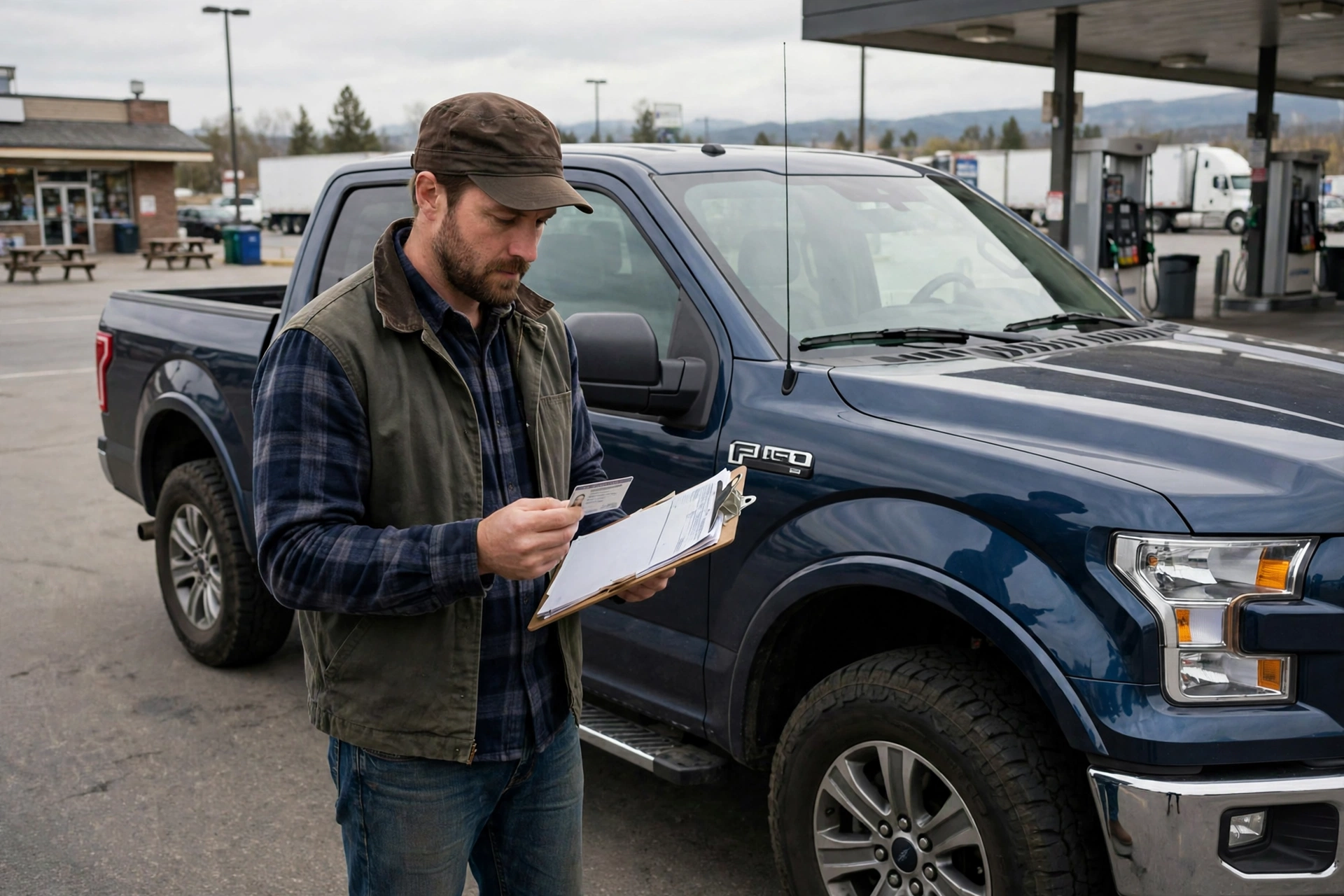
No, a hotshot driver does not need a commercial driver’s license (CDL) when the rig’s gross combination weight rating is 26,000 lb (11,793 kg) or less. A Class A CDL is required once the GCWR reaches 26,001 lb (11,794 kg) and the trailer is rated over 10,000 lb (4,536 kg).
The FMCSA applies the CDL rule to whichever is higher, the rated weight or the actual weight. Ratings win. A rig with a 30,000 lb (13,608 kg) GCWR needs a Class A CDL even when its trailer is empty, because the requirement follows the ratings, not the load on the day of the trip.
Weight Thresholds and Requirements
Three weight bands matter. The table below compares the federal requirements for each GCWR band on interstate, for-hire hotshot work.
| GCWR Band (lb / kg) | CDL | USDOT Number and Medical Card | MC Authority | ELD |
|---|---|---|---|---|
| Up to 10,000 / 4,536 | Not required | Not required federally | Required for interstate hire | Not required |
| 10,001–26,000 / 4,536–11,793 | Not required | Required | Required for interstate hire | Required unless exempt |
| 26,001+ / 11,794+, trailer over 10,000 lb | Class A | Required | Required for interstate hire | Required unless exempt |
States can stack their own requirements on top for intrastate work. Texas is one example. It issues separate intrastate authority through the Texas Department of Motor Vehicles (TxDMV), so check with the state agency before you haul freight that never leaves one state.
Non-CDL vs CDL Hotshot
Non-CDL hotshot wins on speed to start, while CDL hotshot comes out ahead on payload and on the range of loads a driver can accept. Both have a place. The table below compares the two paths.
| Factor | Non-CDL Hotshot | CDL Hotshot |
|---|---|---|
| Maximum GCWR (lb / kg) | 26,000 / 11,793 | Set by truck and trailer ratings |
| License | Regular state license | Class A CDL |
| Payload | Smaller | Larger |
| Load Options | Fewer heavy loads | Heavy equipment and full deck loads |
| Drug and Alcohol Testing | Not required federally | Required, with Clearinghouse queries |
| Startup Time | Faster | Slower, CDL training required |
A non-CDL hotshot setup often pairs a Class 3 dually with a lighter gooseneck so the combined ratings stay at or below 26,000 lb. It’s a sensible trial run. New owner-operators can start earning on that rig while they decide whether a CDL is worth the extra training.
How to Start Hotshot Trucking
To start hotshot trucking, choose a GCWR target, form a business, register with the FMCSA, buy insurance, file a BOC-3, pay the UCR fee and set up fuel tax and logging. The filing order matters, because the FMCSA will not activate operating authority until insurance and the BOC-3 are on file.
Owner operator hotshot carriers handle every step below themselves or pay a filing service to do it. Company drivers have it easier. They skip the business filings entirely and only need the license and medical card that match the employer’s equipment.
Startup Filings in Order
Sequence matters. Follow these steps in order to start a hot shot business that hauls interstate freight for hire.
- Decide on a CDL or non-CDL rig, because the GCWR target controls every later purchase.
- Form a business entity, such as a limited liability company (LLC), with your state’s secretary of state.
- Apply for an Employer Identification Number (EIN) from the Internal Revenue Service (IRS).
- Buy or lease a truck and trailer whose ratings match your GCWR target.
- Register in the FMCSA Unified Registration System (URS) to receive a USDOT number and request MC operating authority.
- Buy liability insurance and have the insurer file proof of coverage with the FMCSA.
- File a BOC-3 through a process agent company that covers every state you will run in.
- Pay the annual Unified Carrier Registration (UCR) fee once your authority is active.
- Register for IFTA and the International Registration Plan (IRP) with your base state if combination weight exceeds 26,000 lb (11,793 kg).
- Install an ELD listed on the FMCSA registered device list.
- Join a drug and alcohol testing consortium if you or your drivers hold a CDL.
- Open load board accounts and set up invoicing or a factoring agreement.
The USDOT number comes first, because the URS issues it during registration and the MC authority request rides on the same application. Then comes oversight. New carriers enter the FMCSA New Entrant Safety Assurance Program, which includes a safety audit during the first months of operation.
What It Costs to Start a Hot Shot Business
Startup costs swing with your state, credit, driving record and equipment choice, and no verified national figure is available. Plan on getting quotes. The table below pairs each cost item with the party that charges it and a place to find a current number.
| Cost Item | Who Charges It | Verified Figure |
|---|---|---|
| Truck | Dealer or private seller | No verified figure available |
| Trailer | Dealer or manufacturer | No verified figure available |
| MC Authority Filing | FMCSA | Check the current FMCSA fee schedule |
| BOC-3 Filing | Process agent company | No verified figure available |
| UCR Fee | UCR Plan | Set yearly by fleet size on UCR.gov |
| Insurance | Commercial insurer | Get carrier quotes |
| ELD Device and Plan | ELD provider | No verified figure available |
| CDL Training | Truck driving school | No verified figure available |
Insurance is often the largest recurring cost for a new hotshot carrier. Minimums are only the floor. The FMCSA sets minimum public liability levels in 49 CFR Part 387, but many brokers won’t tender a load until a carrier shows higher limits plus cargo coverage.
What Kind of Loads Do Hotshot Truckers Haul?
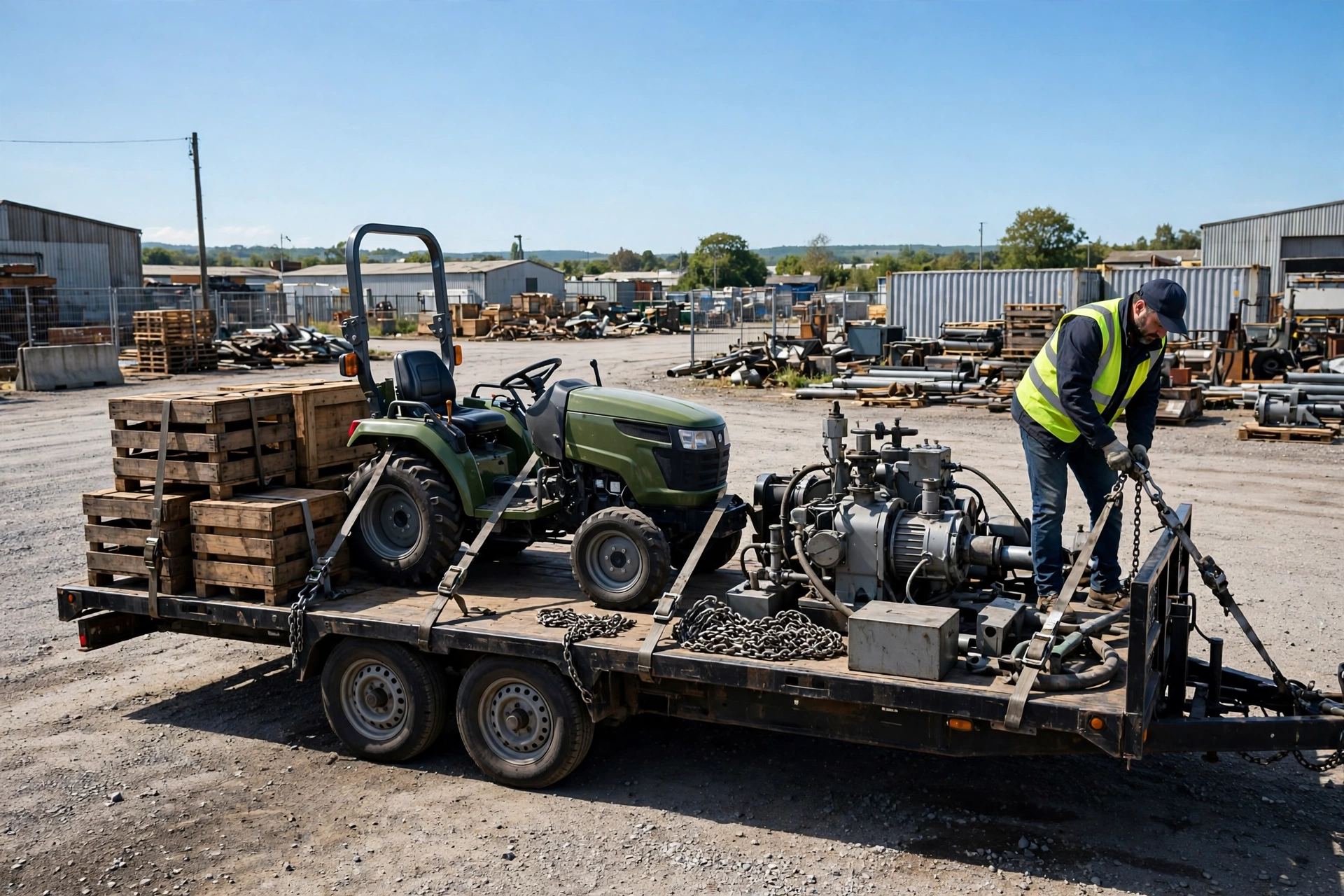
Hotshot truckers haul time-sensitive, open-deck freight that fits on a pickup-towed trailer, such as construction equipment, oilfield parts, farm machinery, steel, pipe, lumber and vehicles. Most hot shot loads are partial loads for one customer that need direct delivery faster than LTL or full truckload service can provide.
Each industry runs on its own clock. The table below compares common hot shot loads by the industry that books them, along with how fast each one usually needs delivery.
| Industry | Example Loads | Typical Urgency |
|---|---|---|
| Oil and gas | Pumps, valves, drill pipe | Same day or next day |
| Construction | Skid steers, rebar, lumber | Next morning on site |
| Agriculture | Tractor parts, irrigation pumps | Before harvest or planting deadlines |
| Manufacturing | Machine parts, steel coils | Line-down emergencies |
| Automotive | Cars and light trucks | Dealer delivery windows |
Oilfield hotshot work clusters in producing regions such as the Permian Basin, which stretches across West Texas and New Mexico. Farm and building freight is different. Construction and agricultural loads spread more evenly across the country and rise and fall with seasonal demand.
How Hotshot Truckers Find Loads
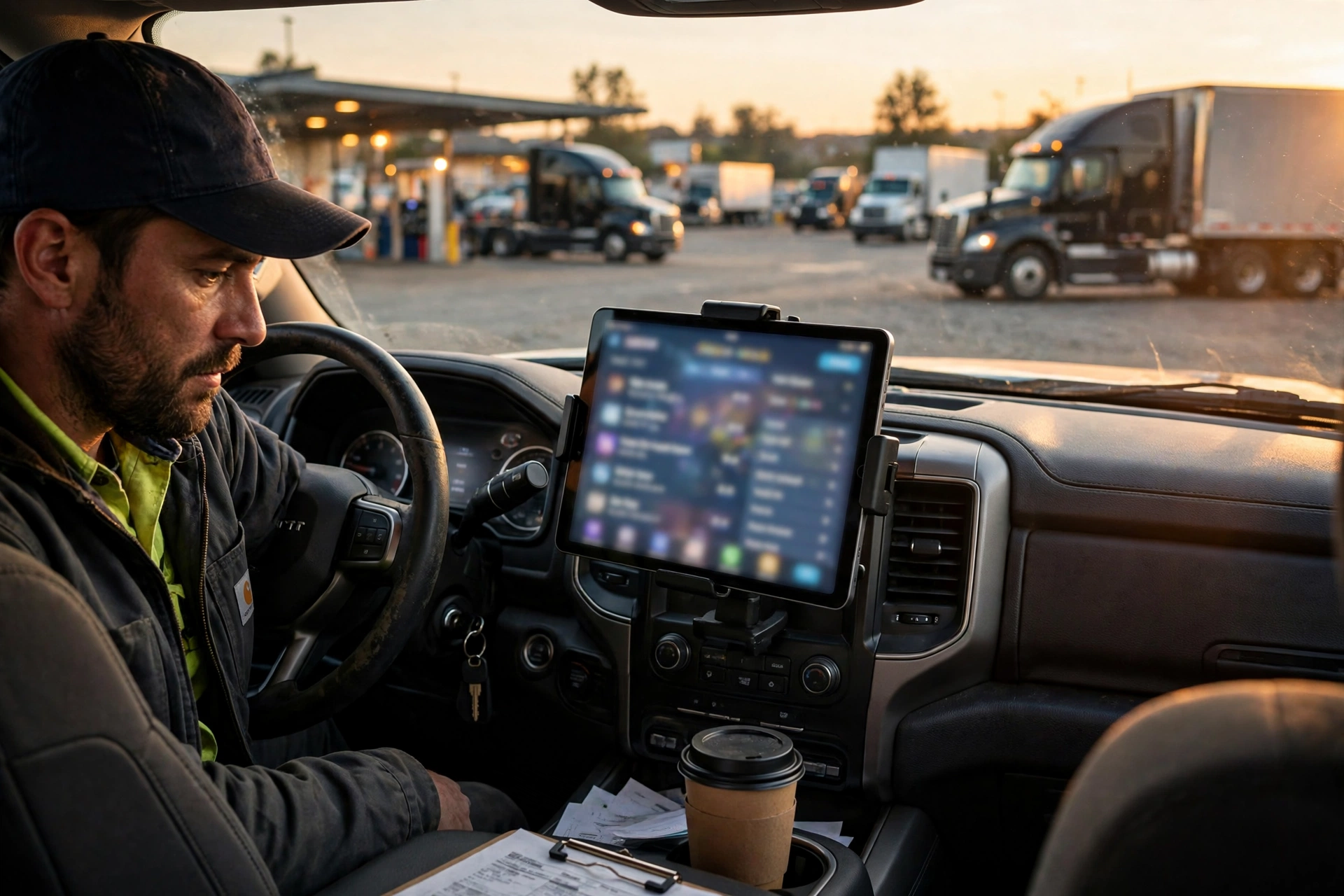
Hotshot truckers find loads through load boards, freight brokers, direct shipper contracts and dispatch services. Each has a catch. The table below compares every load source, including leasing to a carrier, and shows the main tradeoff attached to each one.
| Load Source | How It Works | Main Tradeoff |
|---|---|---|
| Load boards (DAT, Truckstop) | Search posted loads and call brokers | Subscription cost and rate competition |
| Freight brokers | Broker matches carrier with shipper | Broker keeps a margin |
| Direct shippers | Carrier contracts with the shipper | Takes time to build relationships |
| Dispatch services | Dispatcher books loads for the carrier | Charges a commission |
| Leasing to a carrier | Haul under another company’s authority | Lower revenue share |
Direct shipper freight usually pays the most per load, because no broker margin comes out of the rate the shipper agrees to pay. That list takes time to build. Most new owner-operators start on load boards, then turn repeat customers into direct accounts as trust grows.
Is a Dispatcher Worth the Commission?
Yes, a dispatcher is worth the commission for a new owner-operator who lacks broker contacts or time to search load boards while driving. The fee is a cut of revenue. Dispatchers charge a percentage of each load’s gross revenue, and no verified industry-standard rate is available.
A dispatcher’s value fades once the carrier books steady direct freight. Run the numbers. Compare the commission against the extra loaded miles the dispatcher produces each month, and drop the service when the math no longer favors it.
How Does Hotshot Pay Work?
Hotshot pay works through three models: a percentage commission of each load’s gross revenue, a fixed rate per mile, or the full load rate kept by an owner-operator. The model sets who pays fuel, insurance and maintenance, so a higher headline rate does not always mean higher take-home pay.
No verified national figure for hotshot driver pay is available. Rates don’t sit still. Diesel prices, freight demand, lane, season and equipment all move them, so check current postings and broker offers in your target region before you build a budget.
What Is a Hotshot Truck Commission?
A hotshot truck commission is a pay arrangement in which the driver earns a set percentage of the gross revenue from each load. It’s common. Carriers running company-owned hotshot trucks often choose commission pay over hourly wages.
Commission pay rewards drivers who haul high-paying loads, but paychecks shrink fast during slow freight weeks when fewer good loads come through. Per-mile pay is the reverse. Checks come steadier, yet that model ignores detention time and short, high-value runs. The table below compares the three pay models.
| Pay Model | Who Pays Operating Costs | Income Stability | Earning Upside |
|---|---|---|---|
| Percentage commission | Carrier | Varies with load revenue | Moderate |
| Per-mile pay | Carrier | Steadier | Limited |
| Owner-operator rate | Owner-operator | Least stable | Highest |
Ask any carrier offering commission pay whether the percentage applies to the full load rate or to the rate after fuel surcharge and broker fees. Get it in writing. That single detail can change the real payout on every load.
Hotshot Trucking Jobs vs Owner Operator
Hotshot trucking jobs suit drivers who want lower risk, while owner-operator work fits those who’d rather have control and a higher ceiling on earnings. The table below compares both paths.
| Factor | Company Hotshot Driver | Owner Operator Hotshot |
|---|---|---|
| Equipment | Provided by carrier | Bought or leased by driver |
| Authority and Filings | Carrier handles them | Driver handles them |
| Insurance | Carrier pays | Driver pays |
| Pay | Commission or per mile | Full load rate minus costs |
| Load Choice | Assigned by dispatch | Driver chooses |
| Financial Risk | Low | High |
Hot shot truck jobs also appear as lease-on positions, in which an owner-operator runs their own truck under a carrier’s authority. There’s a trade. Leasing on removes the authority and BOC-3 filings, but the carrier keeps a share of every load.
How to Get into Hotshot Trucking as a New Driver
Go slow at first. Follow these steps to get into hotshot trucking with the least financial risk.
- Check your motor vehicle record, because insurers and carriers screen driving history closely.
- Pass a DOT physical with an examiner listed on the FMCSA National Registry of Certified Medical Examiners.
- Earn a Class A CDL if you plan to run rigs over 26,000 lb (11,793 kg) GCWR.
- Practice gooseneck towing, load securement and backing in an empty lot before your first paid run.
- Study the FMCSA cargo securement rules in 49 CFR Part 393.
- Apply for company hotshot trucking jobs or lease-on positions to learn lanes and brokers.
- Save a cash reserve before buying your own truck and trailer.
- Move to your own authority once you know your costs, lanes and customers.
Do Hotshot Trucks Need an ELD?
Yes, most interstate hotshot trucks with a GCWR of 10,001 lb (4,536 kg) or more need an electronic logging device (ELD), because their drivers must keep hours-of-service records. Exemptions cover short-haul drivers, vehicles with engines older than model year 2000 and drivers who keep logs 8 days or fewer in any 30-day period.
Four exemptions cover most cases. The table below compares the main ELD exemptions under the FMCSA rule.
| Exemption | Who Qualifies | Key Condition |
|---|---|---|
| Short-haul | Drivers staying near their work reporting location | 150 air-mile radius, 14-hour duty limit |
| Pre-2000 engine | Vehicles with engines older than model year 2000 | Engine model year controls, not the title |
| Occasional logs | Drivers logging rarely | 8 days or fewer in any 30-day period |
| Driveaway-towaway | Drivers delivering the vehicle itself | The vehicle is the cargo |
Drivers who use an exemption still follow hours-of-service limits and may need paper logs or time records. Exempt isn’t unregulated. When you do need a device, choose one from the FMCSA registered device list, because unregistered units don’t satisfy the rule.
Is Hotshot Trucking Profitable?
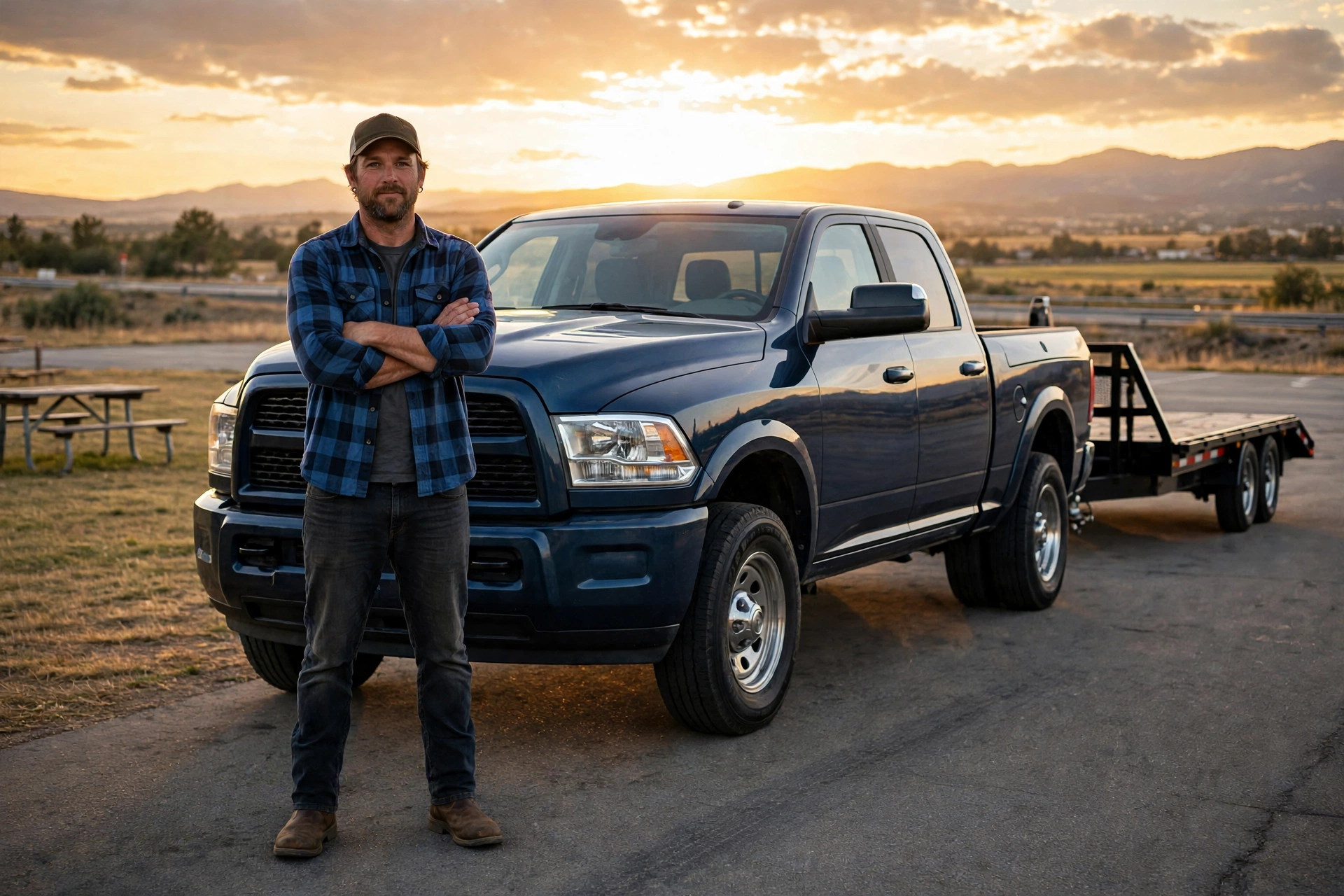
Yes, hotshot trucking can be profitable when an owner-operator keeps deadhead miles low, prices loads above the true cost per mile and controls insurance and maintenance spending. No verified national profit figure is available, so each carrier must calculate profit from its own costs and rates.
Cost per mile decides profit. Start with fixed costs such as truck payments and insurance. Then add the variable side, meaning fuel and tires along with ongoing maintenance, and divide the combined total by every mile you’ve driven. Any load paying less than that figure loses money.
Six costs do most of the damage. The table below compares the costs that cut hotshot profit most and how to control each one.
| Cost | Why It Hurts Profit | How to Control It |
|---|---|---|
| Fuel | Largest variable cost per mile | Plan routes and limit idling |
| Insurance | High fixed cost for new carriers | Keep a clean record and shop quotes |
| Deadhead Miles | Driving without paid freight | Book backhauls before delivery |
| Maintenance and Tires | Heavy towing wears parts fast | Follow a written service schedule |
| Truck Payment | Fixed cost every month | Avoid overbuying equipment |
| Broker and Dispatch Fees | Cut each load’s revenue | Build direct shipper accounts |
Hotshot freight demand rises and falls with oil prices and construction activity, and the farm calendar pulls it around too. Spread out. Carriers that serve two or more industries protect themselves when one sector slows.
Conclusion
Hotshot trucking gives drivers a lower-cost path into freight hauling, and it gives shippers a fast option for urgent, open-deck loads. The basics decide success. Match the rig’s GCWR to the right license and file FMCSA paperwork in order. Then price every load above the true cost per mile.
Rules and fees change, so check the FMCSA and UCR sites before each renewal season, look at the IRS site too, and budget from current carrier quotes. Patience pays. Starting with company hotshot trucking jobs lets a driver learn lanes first, and moving to their own authority after that gives the strongest chance of building a durable hot shot business.
Frequently Asked Questions

Esther Howard leads trucking and commercial driving content at TruckingHow, covering CDL training, trucking regulations, fleet operations, and truck maintenance. With over a decade of experience researching the transportation industry, she brings a practical, research-driven approach to driver education and safety standards. Her guides help drivers, fleet owners, and trucking professionals make informed decisions on and off the road.
Related Posts