Refrigerated Trucking Companies: How to Compare and Choose Carriers
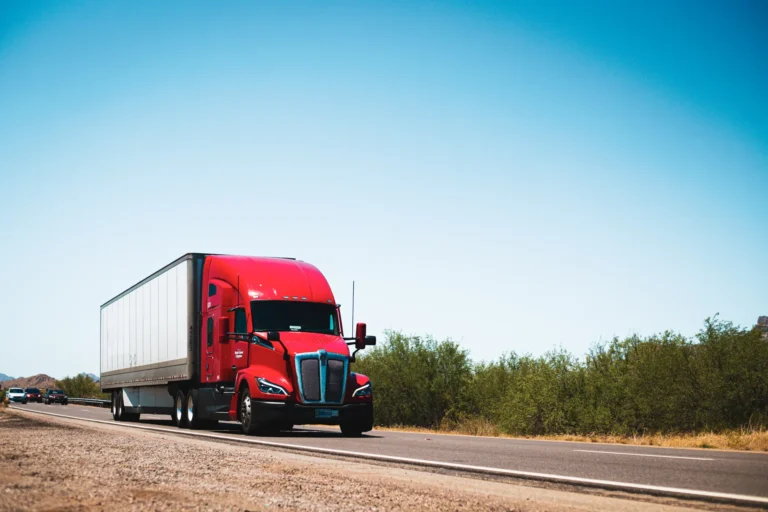
Refrigerated trucking companies are motor carriers that haul temperature-controlled freight in insulated reefer trailers and hold a set temperature from pickup to delivery. Shippers have options. They can book directly with national asset-based fleets or regional specialists, or they can hand the load to a freight broker who finds the truck. Before tendering a load, smart shippers check operating authority, food safety compliance, equipment, temperature data and claims history.
Key Takeaways
- Refrigerated trucking companies move frozen, chilled, produce and pharmaceutical freight in trailers cooled by a transport refrigeration unit (TRU).
- Transport Topics publishes an annual Top 100 ranking of for-hire carriers, including a refrigerated sector ranking based on revenue.
- Shippers can verify any reefer carrier by searching its USDOT number in the Federal Motor Carrier Safety Administration (FMCSA) SAFER system.
- Carriers hauling human or animal food must follow the FDA Sanitary Transportation rule on sanitation, temperature control, training and records.
- Reefer rates run higher than dry van rates. No verified current per-mile figure is available here, so check DAT benchmarks or get lane quotes.
- Standard cargo policies can exclude spoilage caused by a reefer unit failure, so shippers should confirm reefer breakdown coverage before booking.
What Is a Refrigerated Trucking Company?
A refrigerated trucking company is a motor carrier that moves perishable freight in insulated trailers fitted with a transport refrigeration unit (TRU), holding cargo at a shipper-specified setpoint so food, produce, flowers and pharmaceuticals stay safe between the origin facility and the receiving dock.
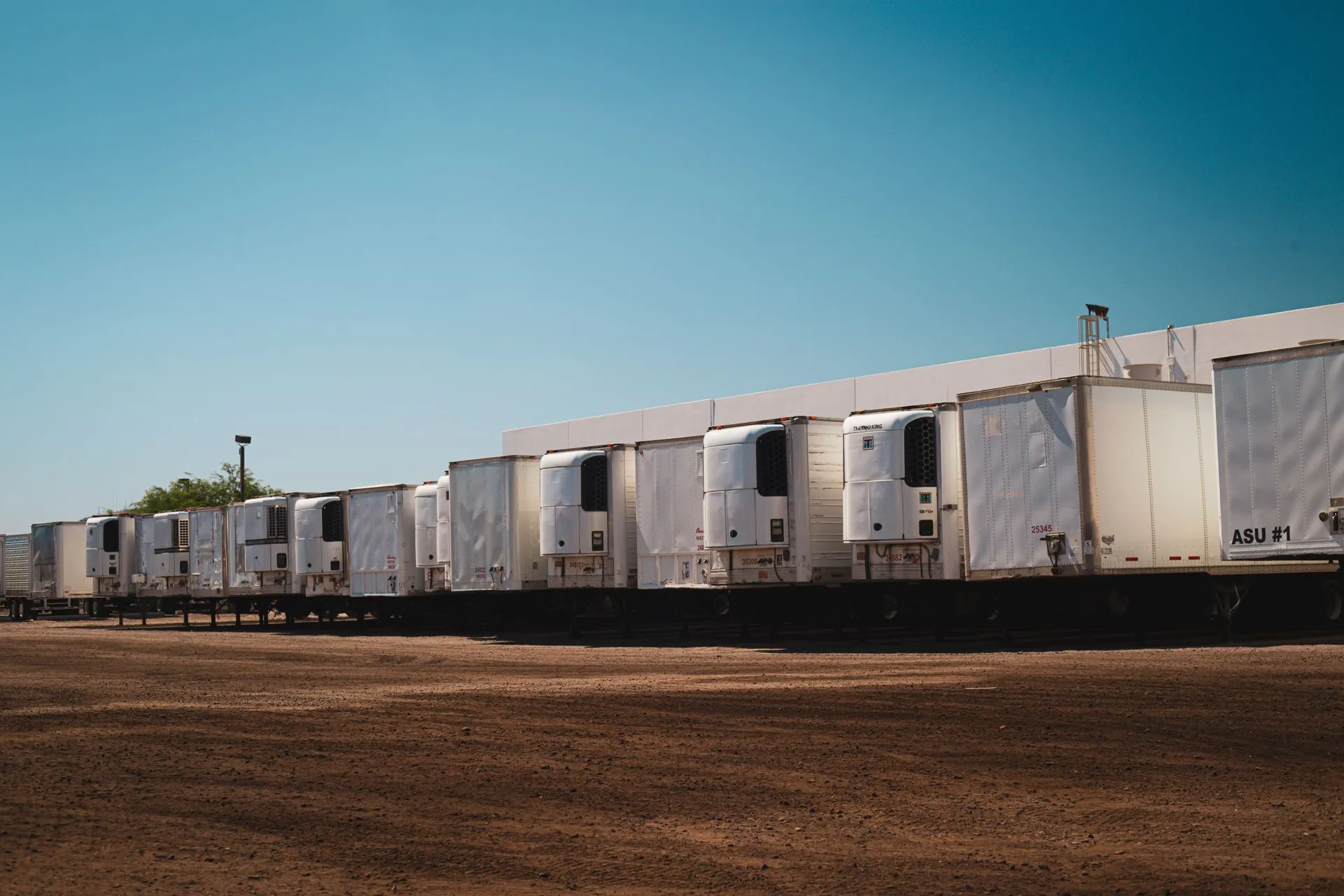
The TRU sits on the trailer nose. Power comes from a diesel engine or from shore power plugged in at a facility, and some newer models run on battery-electric systems instead. In the US market, Thermo King and Carrier Transicold are the two best-known TRU manufacturers.
Reefer units heat as well as cool. During a Minnesota January, the unit can warm the trailer enough to keep a load of lettuce from freezing on the highway. Come July in Arizona, that same unit spends its time fighting heat that soaks through the walls.
Most US reefer freight moves in a 53-foot (16.2 m) refrigerated trailer. Its floor matters. Grooved or ducted floors let chilled air flow under the pallets, while insulated walls slow the heat creeping in from outside.

How Reefer Carriers Differ from Dry Van
A reefer carrier differs from a dry van carrier in equipment and operating cost, and it shoulders heavier compliance duties on top of both. Every gap has one source. Reefer freight spoils if the cold chain breaks.
This table compares reefer and dry van service on the factors shippers weigh most.
| Factor | Reefer Carrier | Dry Van Carrier |
|---|---|---|
| Temperature Control | TRU holds a set temperature | None, ambient only |
| Typical Freight | Frozen, chilled, produce, pharma | Packaged dry goods, paper, retail |
| Payload | Lower, unit and insulation add weight | Higher for the same trailer length |
| Fuel Use | Tractor plus reefer unit | Tractor only |
| Food Safety Focus | Temperature records, sanitation, pre-cooling | Sanitation for food loads |
Switch the unit off and a reefer trailer can haul dry freight, which is why many refrigerated carriers fill their backhauls with dry goods. The reverse doesn’t work. A dry van can’t protect perishables.
Asset-Based Carriers vs Freight Brokers
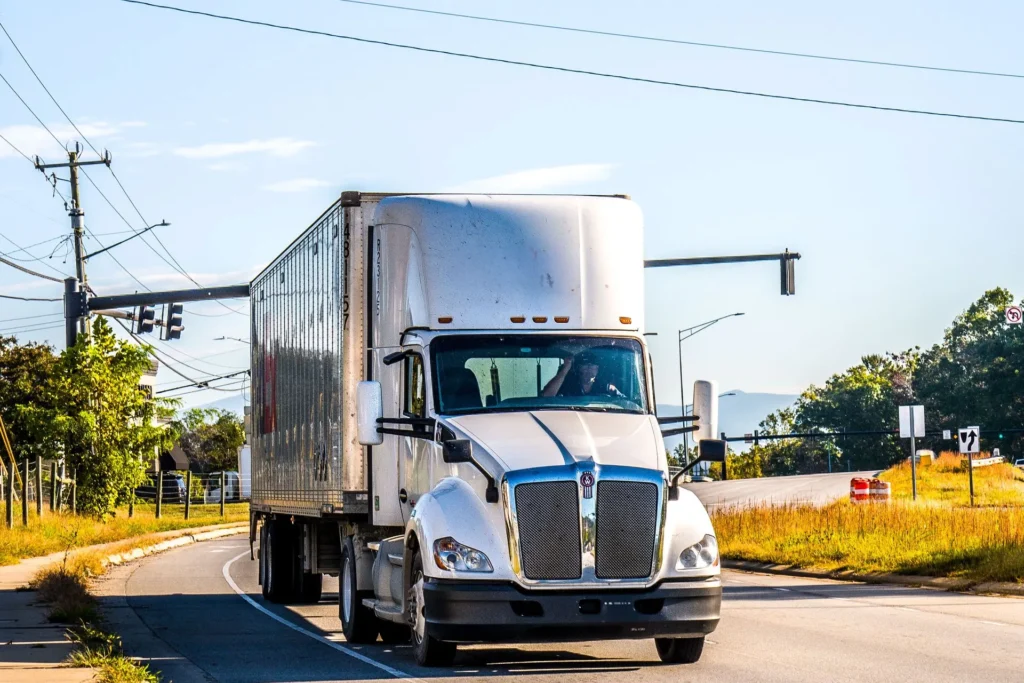
Asset-based carriers are the stronger pick for recurring lanes, and they suit high-value or pharmaceutical freight where the shipper wants one accountable fleet. Brokers fit spot loads. They also help during seasonal surges, or on lanes that no single fleet covers by itself.
This table compares asset-based reefer carriers with freight brokers.
| Factor | Asset-Based Carrier | Freight Broker |
|---|---|---|
| Owns Equipment | Yes, trucks and reefer trailers | No, books other carriers |
| FMCSA Authority | Motor carrier authority | Broker authority plus $75,000 bond |
| Capacity | Limited to its own fleet | Wide carrier network |
| Equipment Control | Direct maintenance and TRU standards | Varies by contracted carrier |
| Best For | Contract lanes, dedicated fleets, pharma | Spot freight, surges, hard lanes |
Many large reefer truck companies do both. They haul freight on their own trucks, then broker the overflow to partner carriers when their fleet runs short on a busy week. So ask every quote source one direct question: which company will physically move the load?
What Are the Largest Refrigerated Trucking Companies in the US?
The largest refrigerated trucking companies in the US are ranked each year by Transport Topics in its Top 100 for-hire carrier list and refrigerated sector ranking, and carriers widely known for large reefer fleets include C.R. England, Prime Inc., KLLM Transport Services, Stevens Transport and Marten Transport.
Transport Topics is a trucking trade publication owned by the American Trucking Associations (ATA), and its rankings are the most practical public source for any “largest” claim. Use them first.
Acquisitions and fleet sales reshuffle the rank order often, and revenue swings add more movement on top, which is why this article doesn’t assign positions. Rankings age quickly. Check the current Transport Topics edition for verified rankings and revenue figures.
How Carrier Size Is Measured
Transport Topics ranks for-hire carriers by annual revenue, not by truck count, so a carrier with large non-reefer divisions can rank above a fleet with more reefer trailers. Other metrics tell different stories.
This table compares the common ways to measure reefer carrier size.
| Metric | What It Shows | Limitation |
|---|---|---|
| Annual Revenue | Total business scale | Can include non-reefer divisions |
| Tractor Count | Driving capacity | Mixes company and owner-operator trucks |
| Reefer Trailer Count | Cold equipment pool | Says nothing about service quality |
| Shipments Handled | Operational volume | Rarely published by private carriers |
Size brings capacity and network reach. It doesn’t guarantee better service, though. On a single lane, a smaller regional carrier with clean safety scores and reliable temperature data can serve a shipper better than a national fleet.
Well-Known Refrigerated Carriers to Research
This table lists well-known US refrigerated carriers in alphabetical order as a research starting point, not a ranking.
| Carrier | Headquarters State | Known For |
|---|---|---|
| C.R. England | Utah | Refrigerated truckload and dedicated service |
| Hirschbach Motor Lines | Iowa | Refrigerated and dry truckload |
| KLLM Transport Services | Mississippi | Temperature-controlled truckload and logistics |
| Marten Transport | Wisconsin | Temperature-sensitive truckload, dedicated, intermodal |
| Prime Inc. | Missouri | Refrigerated, flatbed and tanker divisions |
| Stevens Transport | Texas | Refrigerated truckload and logistics |
No verified figure is available here for fleet sizes. Don’t guess. Confirm current tractor and trailer counts directly with each carrier, or pull them from the latest Transport Topics data before you compare names side by side.
A famous name doesn’t replace vetting. Fraudsters impersonate large fleets, and a convincing email signature proves nothing, so verify every USDOT number yourself in the FMCSA system.
What Types of Refrigerated Freight Do Carriers Haul?
Refrigerated carriers haul frozen food, chilled meat and dairy, fresh produce, pharmaceuticals, flowers and other perishable freight, and each category needs a different setpoint, airflow mode and handling routine, so the right carrier for frozen pizza can be the wrong carrier for vaccines or strawberries.
This table compares common reefer freight types, typical temperatures and what the carrier must demonstrate.
| Freight Type | Typical Setpoint (°F / °C) | Carrier Must Show |
|---|---|---|
| Frozen Food | 0°F / -18°C or colder | Unit capacity for deep-frozen setpoints |
| Chilled Meat and Dairy | 40°F / 4°C or colder | Steady setpoint, clean food-grade trailer |
| Fresh Produce | Varies by commodity | Continuous airflow, pulp temperature checks |
| Pharmaceuticals | 36-46°F / 2-8°C for many products | Validated equipment, continuous temperature logs |
| Flowers and Plants | Varies by species | Continuous mode, fast transit |
What a reefer truck can actually hold depends on the TRU model and the trailer insulation, and the outside air temperature pushes back against both. Get it in writing. Ask carriers for unit spec sheets instead of accepting a general promise.
Shippers must cool product before loading. A TRU is built to hold temperature, and it can’t pull field heat out of warm cargo no matter how low the setpoint goes.

Can One Trailer Carry Frozen and Chilled Loads?
Yes. Multi-temperature trailers use movable bulkheads and separate evaporators to create two or three independent zones inside one box. That setup lets a grocery or food-service distributor put frozen and chilled products on a single truck, with ambient goods riding in another zone.
Multi-temp equipment suits multi-stop retail routes. The tradeoff is cost, plus extra complexity at the dock when crews load each zone in the right order, so confirm the carrier actually owns multi-temp trailers before requesting a quote.

What Is Refrigerated LTL?
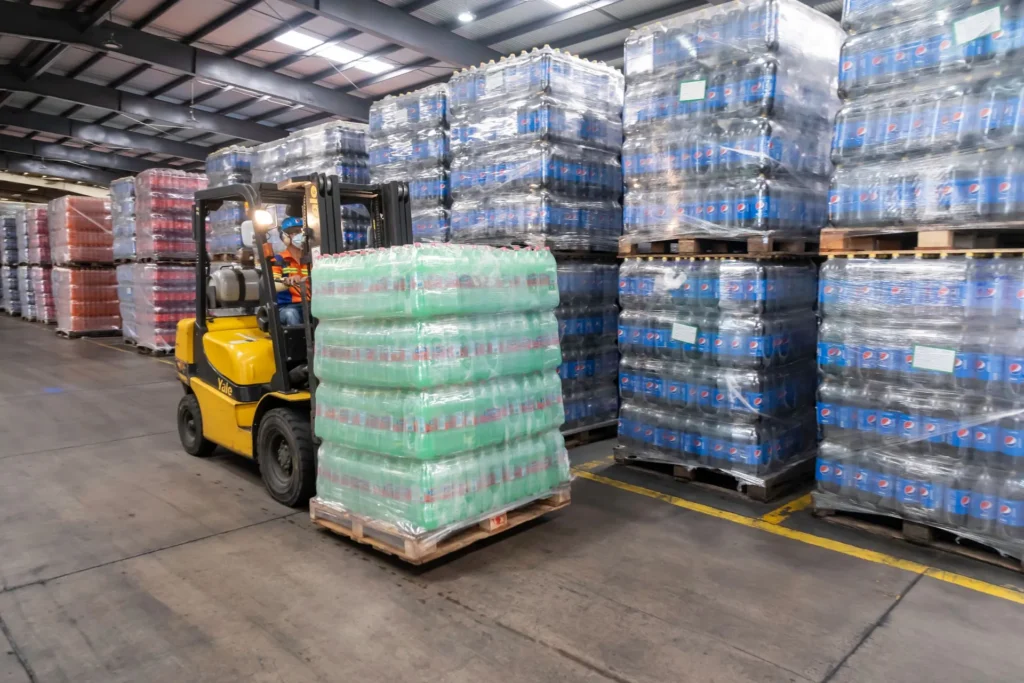
Refrigerated less-than-truckload (LTL) is a shipping service that combines partial pallet loads from several shippers in one reefer trailer set to a shared temperature, letting a business move a few pallets of chilled or frozen goods without paying for an entire 53-foot (16.2 m) trailer.
Refrigerated LTL trucking suits specialty food makers, craft beverage producers, regional bakeries and online cold chain sellers that ship a few pallets at a time. Freight gets grouped by setpoint. Frozen pallets ride with other frozen pallets, and chilled loads stay with chilled.
Network coverage varies widely. Some carriers run scheduled reefer LTL routes inside one region, while brokers stitch partial loads together for national moves that no regional network reaches. Expect more handling and more stops than you’d see with a direct truckload.
When Is LTL Cheaper Than Full Truckload?
Refrigerated LTL is cheaper for small shipments of a few pallets. Once freight fills most of a 53-foot trailer, or needs direct single-stop transit, full truckload reefer becomes the better buy. The math flips fast.
This table compares refrigerated LTL with full truckload reefer service.
| Factor | Refrigerated LTL | Full Truckload Reefer |
|---|---|---|
| Shipment Size | A few pallets | Up to 26 standard pallets, single-stacked |
| Transit | Longer, multiple stops | Direct from pickup to delivery |
| Temperature Risk | More door openings | Fewer door openings |
| Setpoint Control | Must match shared trailer setpoint | Shipper sets the temperature |
| Pricing Basis | Pallets, weight, distance | Per mile or flat lane rate |
Standard pallets measure 48 x 40 inches (122 x 102 cm). There’s also a middle path. Partial truckload service fits mid-size shipments that need fewer stops than LTL but can’t justify paying for an entire trailer on their own.
How Do I Choose a Refrigerated Carrier?
Choose a refrigerated carrier by matching your freight profile to the carrier’s equipment and lanes, then verifying its FMCSA authority, FSMA sanitary transport compliance, temperature monitoring, insurance with reefer breakdown coverage and claims history before booking a paid trial load with written setpoint instructions.
- Define your freight profile: setpoint, continuous or start-stop mode, pallet count, lanes, weekly volume and delivery windows.
- Verify operating authority and safety history in the FMCSA SAFER system.
- Request the carrier’s written procedures for the FDA Sanitary Transportation rule.
- Confirm equipment: trailer age, TRU make and model, multi-temp capability and washout practices.
- Ask for temperature data access, including real-time tracking and a full temperature download after delivery.
- Review insurance limits, cargo exclusions and reefer breakdown coverage.
- Check references from shippers moving similar freight on similar lanes.
- Book a trial load with the setpoint, mode and pre-cooling instructions printed on the bill of lading.
Documents to Request Before Booking
This table lists the documents to collect from a reefer carrier and why each one matters.
| Document | Why It Matters |
|---|---|
| Certificate of Insurance | Confirms liability and cargo limits |
| Operating Authority Record | Matches MC number to legal name |
| Signed Carrier Agreement | Sets liability, claims and payment terms |
| Food Transport Procedures | Shows sanitary rule compliance |
| Washout Records | Proves trailer cleaning after prior loads |
| Sample Temperature Download | Shows data format and logging interval |
| Training Records | Confirms staff trained on sanitary practices |
| W-9 Form | Required for payment and tax reporting |
Questions to Ask a Reefer Carrier
Strong refrigerated truck companies answer these questions quickly and in writing:
- What setpoint range can your TRUs hold, and how old are the units?
- Do you provide real-time temperature alerts, and who responds to them at night?
- What happens if a unit fails mid-route, and how fast can you swap trailers?
- Do your drivers check pulp temperature on produce loads?
- Does your cargo policy include reefer breakdown coverage, and what are the exclusions?
- Will your company haul this load, or will it be brokered to another carrier?
- Are you an EPA SmartWay partner?
How Do I Verify a Trucking Company Is Legitimate?
Verify a trucking company by searching its USDOT or MC number in the FMCSA SAFER system, confirming active operating authority in the FMCSA Licensing and Insurance database, reviewing its inspection and crash history, and calling the listed insurer to confirm the certificate of insurance is current.
- Request the carrier’s USDOT and MC numbers in writing.
- Search the numbers at safer.fmcsa.dot.gov and confirm the legal name, address and phone number match your contact.
- Check that operating authority shows as authorized for property in the FMCSA Licensing and Insurance system.
- Review inspection results, out-of-service rates and crash records in the FMCSA Safety Measurement System (SMS).
- Call the insurance agency directly, using a phone number you looked up yourself, to confirm the policy is active.
- Confirm in the carrier agreement that the carrier will haul the load itself, which blocks double brokering.
Watch for red flags. Email domains that don’t match the company website are a warning sign, and so are last-minute requests to change payment details. Rates far below market deserve the same suspicion. Newly granted authority calls for extra checks.
Do Refrigerated Carriers Need FDA Compliance?
Yes, refrigerated carriers hauling human or animal food in the US must comply with the FDA Sanitary Transportation of Human and Animal Food rule under the Food Safety Modernization Act (FSMA), which sets requirements for vehicle sanitation, temperature control, carrier personnel training and recordkeeping.
The rule covers shippers, loaders, carriers and receivers. Not everyone is in scope. Exemptions include businesses with less than $500,000 in average annual revenue, along with fully packaged shelf-stable food that needs no temperature control.
Shippers aren’t off the hook. The shipper must spell out in writing the temperature and sanitary requirements that the carrier has to meet on every load it hauls.
What the Sanitary Transportation Rule Requires
This table summarizes the main carrier duties under the FDA Sanitary Transportation rule.
| Requirement | What Carriers Do |
|---|---|
| Vehicles and Equipment | Keep trailers clean and able to hold temperature |
| Pre-Cooling | Pre-cool trailers when the shipper requires it |
| Temperature Records | Show operating temperature on shipper or receiver request |
| Prior Cargo and Cleaning | Share prior load and cleaning details when requested |
| Training | Train carrier personnel and document it |
| Written Procedures | Keep procedures and agreements on file |
The full text sits in 21 CFR Part 1, Subpart O. Food shippers should file each carrier’s written procedures with their own FSMA records, so the whole chain of documentation lives in one place. Keep copies current.
CARB TRU Rules for California Freight
The California Air Resources Board (CARB) regulates reefer unit emissions through its TRU Airborne Toxic Control Measure. Out-of-state trailers aren’t exempt. Any TRU operating in California must meet CARB emissions standards and registration requirements, regardless of where the trailer is based.
CARB has amended the rule to push certain TRUs toward zero-emission technology. Carriers aren’t the only ones affected. Some duties fall on businesses that arrange or receive reefer freight in California, so review CARB’s current TRU program page before booking any California lanes.
How Much Does Refrigerated Trucking Cost?
Refrigerated trucking costs more per mile than dry van freight because the carrier pays for reefer unit fuel, specialized equipment, insulation and temperature monitoring, and no verified figure is available here for current reefer rates per mile, so shippers should check live DAT benchmarks or request lane-specific quotes.
Reefer rates move every week. Fuel prices and produce seasons push them around, and the amount of available truck capacity in a given market shifts them again. DAT publishes reefer spot and contract rate benchmarks that track those swings.
Many carriers build their fuel surcharge tables around the weekly on-highway diesel price published by the US Energy Information Administration (EIA). Not all do. Ask each carrier which index its surcharge uses before you sign a rate agreement.
Shipping frozen food by truck costs more than shipping dry goods. Two things drive the gap. Frozen setpoints keep the unit working harder for the whole trip, and the risk of spoilage pushes insurance and handling costs higher than any dry load would.
Factors That Raise Reefer Rates per Mile
This table compares the main cost drivers for reefer freight and ways to offset them.
| Factor | Why It Raises Cost | How to Offset |
|---|---|---|
| Peak Produce Season | Demand outruns reefer capacity | Lock in contract capacity early |
| Diesel Prices | Higher fuel surcharge | Tie surcharge to the EIA index |
| Frozen Setpoints | Unit burns more fuel | Load fully pre-frozen product |
| Multiple Stops | Extra time and door openings | Consolidate deliveries |
| Detention | Truck and unit idle at docks | Keep dock appointments |
| Short Lead Time | Spot market premium | Tender loads days ahead |
| Pharma Requirements | Validated equipment and monitoring | Commit regular lane volume |
Who Is Liable If a Refrigerated Load Spoils?
The motor carrier is generally liable when a refrigerated load spoils in interstate transit under the Carmack Amendment, unless the carrier proves a recognized defense such as shipper error or inherent vice, and the shipper shows the freight left in good condition and arrived damaged with a measurable loss.
Carriers are allowed to set a claim filing deadline in their terms, but under Carmack that deadline can’t be shorter than 9 months. Don’t wait for it. File promptly and in writing.
Evidence wins reefer claims. Keep the bill of lading with the written setpoint, loading pulp temperatures, the trailer temperature download, and the receiver’s exception notes.
Brokers are generally not carriers under Carmack. Their liability depends on the broker contract, which means the claims language you negotiate before the first load is the protection you’ll actually have.
Reefer Breakdown Coverage
FMCSA requires most general freight carriers to carry at least $750,000 in public liability coverage, but federal rules don’t require cargo insurance for most property carriers. Read that twice. Cargo coverage is a contract term the shipper has to verify.
Many cargo policies exclude spoilage caused by mechanical failure of the reefer unit, unless the policy carries a reefer breakdown endorsement. Ask for that endorsement in writing.
A roadside TRU failure calls for a reefer repair technician or a transfer to a backup trailer. Towing alone won’t save the load. A refrigerator truck tow company moves the disabled equipment, but it does nothing to protect the cargo temperature while the trailer sits on the hook.
Frequently Asked Questions
Conclusion
Choosing among refrigerated trucking companies will depend more on proof and less on promises. Zero-emission TRUs are spreading under California rules, and real-time temperature data is fast becoming something shippers expect on every load as a matter of course. Paperwork is growing too. FDA traceability requirements are adding recordkeeping for certain high-risk foods.
Shippers that build a written vetting process now, covering authority, sanitary transport, temperature data and breakdown coverage, will find carriers faster when capacity tightens. Start before you need it. Review your carrier list each produce season and compare lane quotes against DAT benchmarks. Then reward the carriers whose temperature records hold up on every load.

Esther Howard leads trucking and commercial driving content at TruckingHow, covering CDL training, trucking regulations, fleet operations, and truck maintenance. With over a decade of experience researching the transportation industry, she brings a practical, research-driven approach to driver education and safety standards. Her guides help drivers, fleet owners, and trucking professionals make informed decisions on and off the road.
Related Posts